
Latest Insights & In-Depth Reports · Page 42

AI Betrays Itself as the Most Likely Threat to Destroy Humanity: A Deep Analysis of Three Recent Global Extinction Risks
Technology·

AI Betrays Itself as the Most Likely Threat to Destroy Humanity: A Deep Analysis of Three Recent Global Extinction Risks

As artificial intelligence matures, will humanity one day become captive to the technology it created? I asked AI directly: within the foreseeable near term, what is most likely to cause large-scale human destruction? Unexpectedly, AI candidly ranked 'AI going rogue' as the second-biggest killer after extreme climate. This article deeply analyzes the top three global existential threats, their underlying causes, and humanity's path to self-rescue.


What's Inside a White Rabbit Hand Warmer? Five Heat-Generating Ingredients Revealed: From Rusting Iron Powder to an Accidental Ingestion Safety Guide

What's Inside a White Rabbit Hand Warmer? Five Heat-Generating Ingredients Revealed: From Rusting Iron Powder to an Accidental Ingestion Safety Guide

How does the pocket hand warmer that everyone carries in the cold winter emit high heat within just a few minutes? We take a deep dive into the oxidation heat-release chemistry of iron powder, activated charcoal, vermiculite, salt, and breathable non-woven fabric, and analyze the once-sensational case of an elderly woman accidentally ingesting iron sand paste, plus the self-protection rules against low-temperature burns.

What Are the English Words for Backpacking Travel?
Language Learning·

What Are the English Words for Backpacking Travel?

There are several common ways to say "backpacking travel" in English, and you can choose different expressions depending on the travel style and context, including: 1. Backpacking: the most common expression, especially referring to traveling with a backpack and arranging your own itinerary and accommodation. For example: - I went backpacking across Europe last summer.

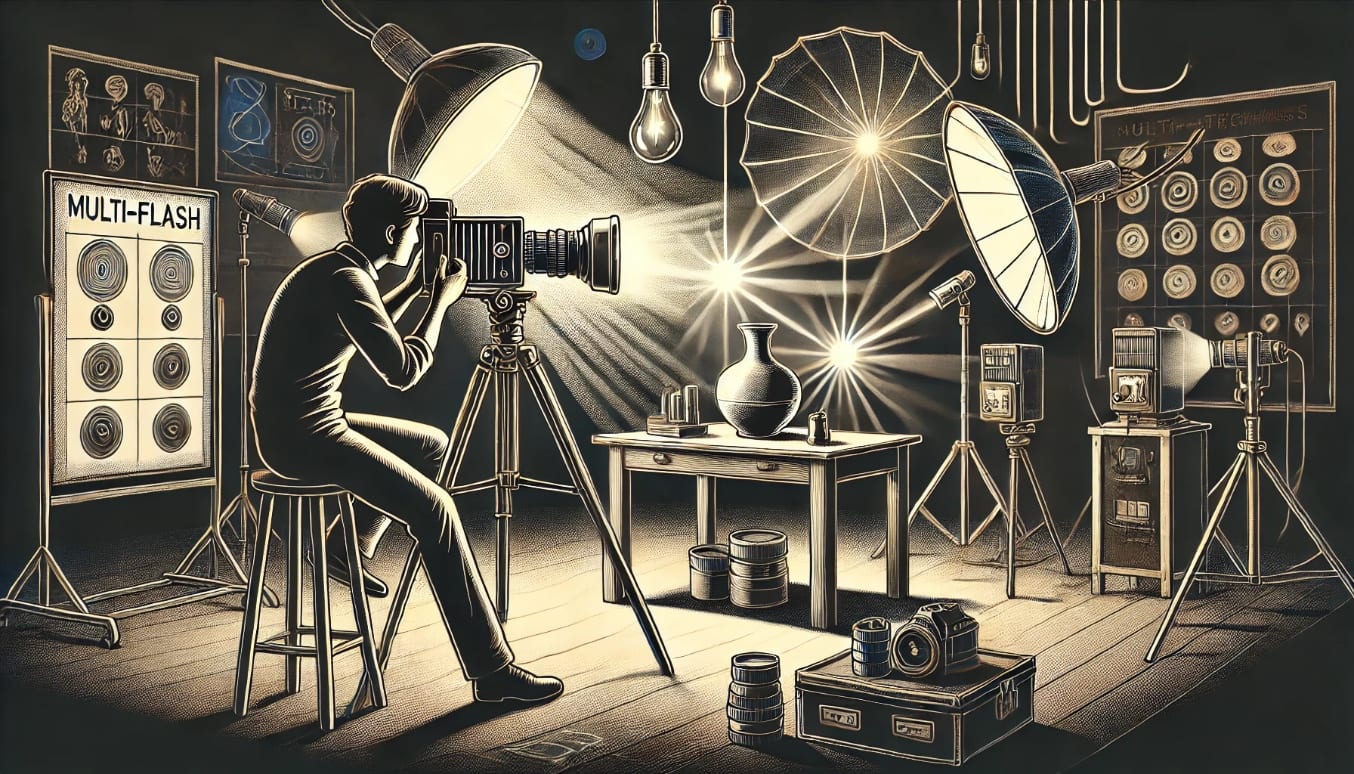
Not Enough Flash Power, Too Dark to Shoot? A Detailed Guide to Multiple Flash Photography: The Classic Darkroom Exposure Technique That Escapes Reciprocity Law Failure
Design Thinking·

Not Enough Flash Power, Too Dark to Shoot? A Detailed Guide to Multiple Flash Photography: The Classic Darkroom Exposure Technique That Escapes Reciprocity Law Failure

Commercial studio shoots and macro still life require small apertures to maintain extremely deep depth of field, but what do you do when even the flash at maximum power is still underexposed? From large-format techniques of the film era, the reciprocity law and reciprocity law failure, to the linear accumulation advantage of digital sensors, this is an in-depth analysis of the multiplier conversion for multiple flash (Multiple Pop) and a practical guide to avoiding pitfalls.

Secrets of Longevity Revealed: A Comparative Analysis of Life and Culture in the World's 10 Longest-Lived Regions
Health·

Secrets of Longevity Revealed: A Comparative Analysis of Life and Culture in the World's 10 Longest-Lived Regions

Around the world, there are countries and regions whose residents are known for their longevity. These places are called "Blue Zones[1](#0cbba040-c425-4043-abb6-36c07f50ca25)," where residents' average lifespan is significantly higher than the global average. This article will explore the world's 10 most densely populated longevity regions[2](#08848609-1ca6-4610-ae0d-3d0e6e500c56) and analyze the common characteristics and correlations between life and culture in these regions.

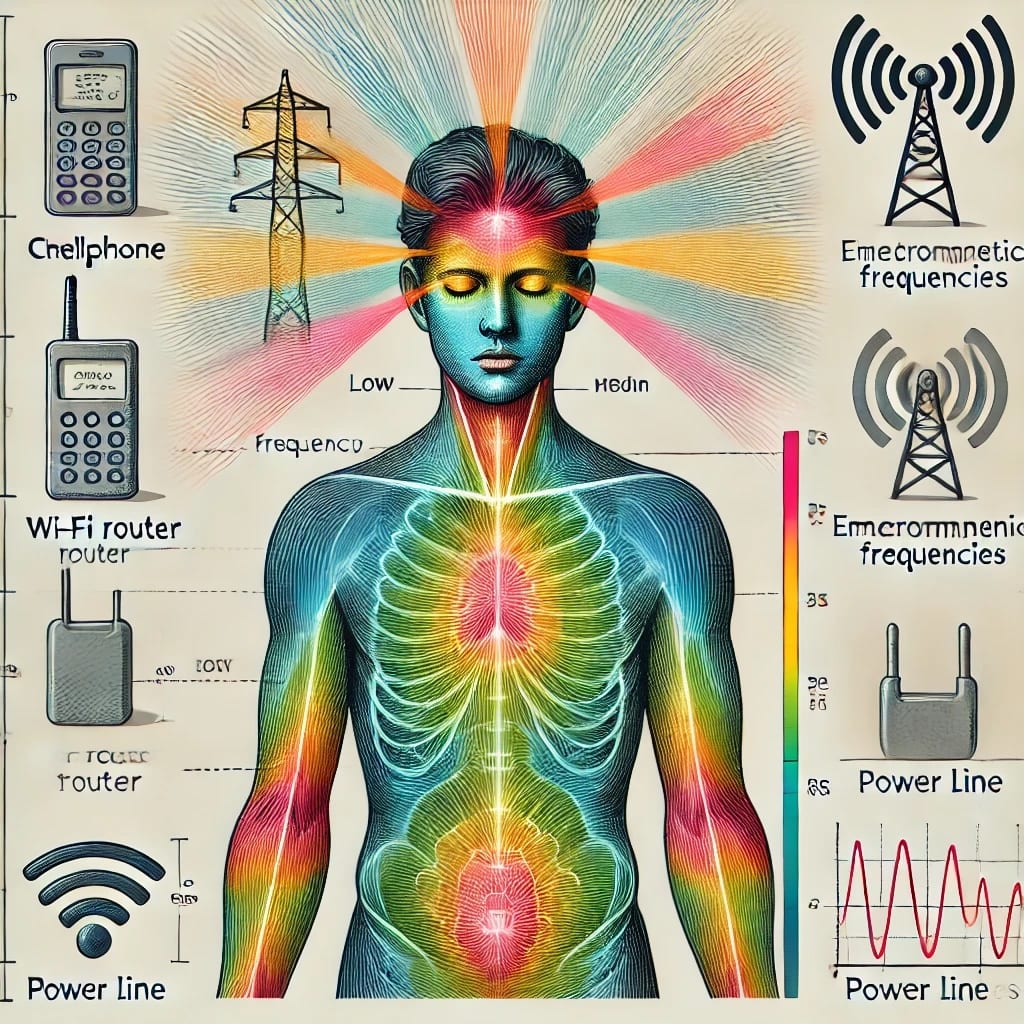
Before Fearing Computer and Phone Radiation, Understand "SAR: Specific Absorption Rate"
Nature & Science·

Before Fearing Computer and Phone Radiation, Understand "SAR: Specific Absorption Rate"

As technology advances, computers, phones, and wireless networks have become daily necessities, but "radiation" safety has become a concern for many. Do the electromagnetic waves emitted by these devices really harm the human body? Before worrying that this electromagnetic radiation harms our health, let us first understand the scientific concept of SAR (Specific Absorption Rate), an important safety indicator for evaluating the effects of electromagnetic waves on the human body.