
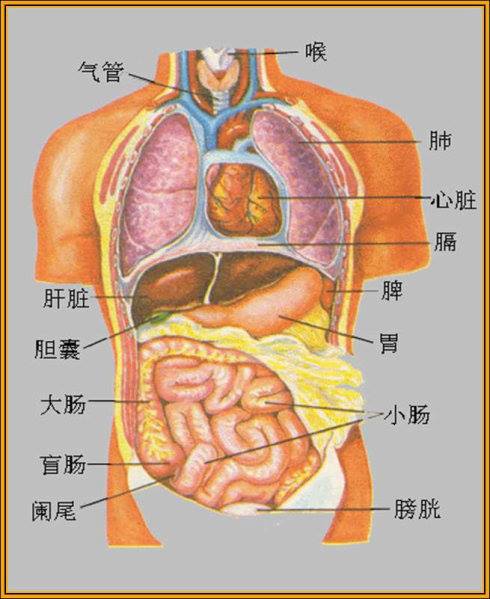
Any attempt to alter or disrupt your internal biological clock will saddle your body with mysterious ailments. Regretting it 20 or 30 years down the line will simply be too late!
- When the heart encounters issues: soreness, numbness, or pain develops in the left arm.
- When the liver encounters issues: nocturnal calf cramps occur frequently during sleep.
- When the kidneys encounter issues: the voice loses its resonance and becomes hoarse.
- When the spleen and stomach encounter issues: migraines manifest.
The Biological Clock for Bodily Recovery:
- 9:00 PM – 11:00 PM: Detoxification and balancing for the immune (lymphatic) system. This window should be spent quietly relaxing or listening to calming music.
- 11:00 PM – 1:00 AM: Liver detoxification; this requires deep, restful sleep to proceed effectively.
- 1:00 AM – 3:00 AM: Gallbladder detoxification, which likewise requires deep sleep.
- 3:00 AM – 5:00 AM: Lung detoxification. This explains why people with respiratory issues cough most intensely during these hours, as cleansing reaches the lungs. Suppressive cough medicines should not be abused during this window to avoid blocking the discharge of waste.
- 5:00 AM – 7:00 AM: Large intestine detoxification; this is the optimal window to visit the restroom and evacuate bowels.
- 7:00 AM – 9:00 AM: Peak nutritional absorption window for the small intestine; eat a hearty breakfast. Patients recovering from illness should eat before 6:30 AM, health maintainers before 7:30 AM. Even if delayed to 9:00 AM or 10:00 AM, eating something is far better than skipping breakfast entirely.
- Midnight – 4:00 AM: Spinal hematopoietic (blood-producing) window. You must remain in deep sleep; do not stay up late!
1. The Heart
When cardiovascular or heart issues arise:
- Breathing becomes labored; the chest feels tight or experiences sudden shooting pains. These sharp pains are brief, lasting only a few seconds to at most one minute.
- In more severe cases, pain radiates from the front chest straight through to the upper back and shoulder blades (Gaohuang area), recurring every couple of weeks or every few months. Shorter intervals between episodes indicate greater severity.
- Poor cardiac health can cause soreness, numbness, and aching in the left arm, as cardiac and left-arm neural pathways share cervical roots.
- It can also cause neck stiffness and limited mobility, frequently manifesting as morning stiff neck (luozhen). Impaired cardiac function can restrict carotid blood flow, depriving surrounding muscles and tendons of optimal circulation.
- In Traditional Chinese Medicine, cardiac disharmony causes “heart fire” (metabolic heat) to ascend toward the forehead. Prolonged heat accumulation in the head can produce facial flushing across both cheeks and recurrent blemishes or dizziness.
- When fire flushes across the temporal ridges and brows, it causes throbbing along the temples and behind the eyes. In severe autonomic hyperactivity, ocular pressure increases, leading to prominent eye protrusion (proptosis).
- As heat travels along the temples (“migraine” pathways), local blood vessels dilate, irritating adjacent nerves and producing acute headaches.
- Heat descending down the neck and lymphatic pathways can lead to swollen lymph nodes and chronic throat irritation—a sensation of something lodged in the throat that can neither be swallowed nor coughed up. When fire reaches the gastrointestinal tract, excess heat causes either diarrhea from fluid rushes or constipation if bodily fluids are depleted.
- Cardiac strain weakens digestive assimilation by the spleen and stomach. Undigested food stagnates, creating gastric fullness and acid reflux.
- Impaired circulation starves tissues of nutrients, provoking chronic fatigue and excessive carbohydrate cravings. Overburdening the liver and kidneys with excess sugars elevates the risk of metabolic disorders like diabetes.
- Poor cardiac nourishment destabilizes the nervous system, leading to heightened anxiety, jumpiness, insomnia, and recurring disturbing nightmares.
2. The Liver
When liver pathology or hepatitis develops, none of the following four symptoms should occur on a regular basis:
- Dull pain or distension in the right upper abdomen.
- Soreness or aching in the right lower back.
- Soreness, numbness, or pain in the right shoulder, sometimes making it difficult to raise the right arm.
- Frequent nocturnal calf cramps during sleep.
Additional bodily warning signs of liver strain:
- The liver sits beneath the right ribcage. If swollen or inflamed, it presses against the intercostal nerves, causing chest and flank pain; toward the rear, it triggers right lumbar aching.
- Impaired liver function disturbs nocturnal sleep quality, leading to tossing and turning. Upon waking, one may experience a dry, bitter mouth, halitosis, and bleeding gums while brushing teeth. Appetite wanes—neither hungry before meals nor able to eat much before feeling uncomfortably full. Legs tire quickly when walking, and whole-body lethargy sets in.
- Those with compromised liver health frequently twist or sprain ankles with prolonged recovery times, and accidental cuts heal unusually slowly.
- Individuals who normally tolerate alcohol well may suddenly experience a sharp drop in alcohol tolerance. Persistent, stubborn skin conditions that never seem to clear also warrant careful liver evaluation.
3. The Kidneys
In Chinese medicine, the kidney meridians originate from the soles of the feet (Yongquan / K1), pass behind the inner malleolus, and travel upward along the inner legs:
- The Posterior Route: Ascends through the lower back to connect with the bladder and runs alongside the spine. When kidney qi is depleted, blood and vital energy fail to rise properly, causing lower back aching, stiff neck, occipital heaviness, vertex distension, and eye dryness at the inner canthi (Jingming point).
- The Anterior Route: Traverses the groin, genitals, and liver before reaching the chest and lungs. Kidney deficiency can cause soreness, weakness, and itching along the inner thighs. When kidney qi fails to anchor lung respiration, breathing feels shallow, leading to airway irritation and a compensatory dry, hacking cough.
- Insufficient qi impairs urinary sphincter tone, resulting in nocturia, urinary urgency, frequency, and eventually incontinence.
- Traditional medicine links pupil function directly to kidney essence. When kidney fluids fail to nourish the eyes, symptoms include dryness, strain, blurred vision, floaters, and increased intraocular pressure.
- Heel pain upon waking in the morning occurs because blood pools centrally during rest; deficient kidney qi causes sluggish peripheral circulation, leaving joints temporarily stiff until gentle walking warms up the limbs.
- Sustained speaking expends vital energy. When kidney energy is low, speaking becomes exhausting, and the voice turns hoarse and feeble.
- Shallow breathing starves the nasal mucosa of robust microcirculation, weakening local immunity against airborne allergens, dust mites, and humidity changes, provoking allergic rhinitis.
- Prostate health in men, as well as ovarian and uterine vitality in women, are closely tied to kidney function. Kidney deficiency often contributes to age-related benign prostatic hyperplasia in men, and menstrual irregularity, dysmenorrhea, or uterine fibroids in women due to sluggish pelvic circulation.
- Endometriosis and chronic abnormal vaginal discharge can follow pelvic blood stagnation. Over time, deficient kidney yang leaves the hands and feet chronically ice-cold, particularly during winter, accompanied by restless, dream-disturbed sleep.
4. The Spleen and Stomach (Digestive System)
When digestive functions weaken:
- Shoulder Discomfort: Right shoulder pain often points toward liver or gallbladder strain; left shoulder pain frequently links to heart or gastric issues; bilateral shoulder stiffness coupled with chronic neck tightness almost universally involves digestive dysfunction.
- Migraines: Recurrent temporal headaches unresponsive to analgesics frequently correlate with chronic constipation, abdominal bloating, or alternating bowel movements. Resolving gut sluggishness often eliminates persistent migraines.
- Chronic Enteritis: Fluctuating between constipation and loose stools, accompanied by poor appetite, abdominal distension, chest oppression, shortness of breath, fatigue, and unexplained weight loss, may indicate chronic intestinal inflammation requiring prompt care.
- Small Intestine and Lymphatics: Vague throat discomfort without active pharyngitis, accompanied by swollen neck borders and soreness along the outer arms, suggests lymphatic and enteric overload.
- Large Intestine: Chronic thirst, bitter taste, nasal congestion, unexplained toothaches without dental cavities, and heavy neck fullness signal colonic sluggishness and toxic backlog.
5. Diabetes
Diabetes is far more than simple insulin deficiency; it often reflects systemic stress across the kidneys, liver, and cardiovascular system, explaining its stubborn nature and potential complications (renal failure, stroke, retinopathy, diabetic foot). Progression frequently exhibits the classic “Three Plenties and One Lack”: excessive eating (polyphagia), excessive drinking (polydipsia), excessive urination (polyuria), accompanied by unexplained weight loss.
Common warning signs include:
- Vision changes: Microvascular retinopathy causes eye fatigue, blurred sight, and difficulty reading small print.
- Persistent exhaustion: Glucose cannot effectively penetrate cells, starving muscles of usable fuel.
- Poor cutaneous immunity: Elevated blood sugars impede tissue healing, predisposing patients to recurrent skin infections, fungal nails, and periodontal disease.
- Peripheral neuropathy: Nerve fibers suffer ischemic and glycation damage, leading to burning, tingling numbness, or loss of sensation in fingers and toes.
- Stubborn ulcers: Severe microcirculatory ischemia can cause ischemic necrosis in extremities.
6. Headaches
Headaches are extremely prevalent. Across Taiwan, at least 600,000 individuals suffer from frequent headaches. Over-reliance on analgesics often breeds tolerance and rebound medication-overuse headaches.
Different headache locations provide clues to internal organ stress:
- Forehead: Reflects cardiac and circulatory stress.
- Temples: Reflects digestive and gallbladder strain.
- Crown and Occiput: Point toward kidney and adrenal imbalance.
- Behind the Ears: Reflects liver strain. Lightheadedness suggests kidney qi insufficiency, whereas spinning vertigo strongly points to liver heat, especially in men.
7. Constipation
Modern lifestyles with low-fiber convenience diets, inadequate water intake, sedentary routines, and chronic stress severely disrupt intestinal peristalsis. Prolonged constipation allows waste metabolites to linger in the colon, affecting mood and endocrine balance.
In Chinese medicine, internal digestive heat dries out fecal moisture. Sluggish motility creates constipation; conversely, sudden hypermotility yields diarrhea. Chronic intestinal stasis requires evaluation to rule out irritable bowel syndrome, diabetic gastroparesis, or colorectal pathology.
8. Shoulder and Neck Soreness
“Where there is stagnation, there is pain; where there is smooth flow, there is no pain.” Beyond basic sports strains or rotator cuff tendinitis, deep neck and shoulder soreness often mirrors internal vascular and visceral strain. Left-sided neck and shoulder tightness frequently links with cardiac strain; right-sided soreness correlates with liver and gallbladder congestion. When both sides ache stubbornly, sluggish gastrointestinal motility is frequently the underlying contributor.
Natural Cleansing: Relieving Physical Discomfort
Supporting the body’s natural metabolic pathways keeps blood circulation smooth and alleviates persistent musculoskeletal aches.
In Traditional Chinese Medicine, metabolic wastes that fail to clear promptly—blood stasis, phlegm-dampness, cold stagnation, and excess heat—accelerate cellular aging. While internal imbalances lurk beneath the surface, they leave visible markers upon the body.
If the Liver Is Overburdened:
- Nails: Ridged, brittle, or grooved nails indicate liver blood deficiency, as “the liver governs the sinews and blooms in the nails.”
- Breasts: Premenstrual breast tenderness or cystic tissue aligns with stagnant liver qi meridians.
- Emotions: Chronic irritability, moodiness, and depression reflect stagnant liver energy.
- Facial blemishes: Breakouts along the jawline, temporal cheeks, and severe menstrual cramps mirror liver-gallbladder pathway congestion.
Promoting Cleansing:
- Green vegetables and citrus: Green foods soothe liver qi. Unpeeled green citrus or lime water provides gentle support.
- Goji berries: Offer antioxidant support for hepatocytes.
- Acupressure on Taichong (LV3): Located in the depression anterior to the junction of the first and second metatarsal bones on the foot dorsum. Massage gently for 3–5 minutes daily.
- Emotional release: Releasing suppressed emotion through crying clears biochemical stress markers carried in emotional tears.
If the Heart Is Overburdened:
- Tongue ulcers: The tongue is the sprout of the heart; recurrent aphtous ulcers reflect excess cardiac heat.
- Forehead breakouts: Blemishes concentrated on the forehead reflect cardiovascular stress.
- Insomnia and palpitations: Inability to sleep deeply accompanied by rapid heartbeats.
- Chest tightness or twinges: Stagnant microcirculation manifests as dull retrosternal oppression.
Promoting Cleansing:
- Bitter flavors: Lotus plumule tea (Lian Zi Xin) disperses cardiac heat without harming core warmth.
- Acupressure on Shaofu (HT8): Located on the palm between the 4th and 5th metacarpal bones where the little finger touches when making a fist.
- Mung bean soup: Mild diuretic effect that helps disperse internal heat.
- Optimal cardiac window: 11:00 AM – 1:00 PM; consume nourishing seeds, black sesame, and dates.
If the Spleen Is Overburdened:
- Facial melasma and spots: Sluggish digestion leads to dull skin tone.
- Excessive clear discharge: Reflects internal phlegm-dampness overwhelming spleen function.
- Stubborn fluid retention and fat accumulation: Sluggish metabolism fails to process dietary fluids, producing puffiness.
- Perioral breakouts: Spots and mouth sores surrounding the lips mirror spleen and stomach stasis.
Promoting Cleansing:
- Gentle acids: Hawthorne, sour plums, or diluted vinegar aid gastric juices and enzymatic breakdown.
- Acupressure on Shangqiu (SP5): Located in the depression anterior and inferior to the medial malleolus.
- Post-meal strolling: Gentle walking stimulates peristalsis without overburdening the gut.
If the Lungs Are Overburdened:
- Dull, rust-colored complexion: The lungs nourish the skin; toxic buildup leaves skin grayish and lackluster.
- Constipation: The lungs and large intestine form a coupled functional system.
- Frequent melancholy: Unexpressed grief burdens lung energy.
Promoting Cleansing:
- White radishes and daikon: Aid intestinal elimination and lung clearance.
- Lily bulbs (Baihe) and mushrooms: Moisten lung dryness and nourish yin.
- Acupressure on Hegu (LI4): Located in the web between the thumb and index finger.
- Deep breathing and sweating: Aerobic exercise, brisk walking, or warm epsom salt baths enhance transdermal toxin release.
If the Kidneys Are Overburdened:
- Scant, dark menses: Diminished menstrual flow mirrors waning kidney essence.
- Edema: Morning puffiness in ankles and lower eyelids indicates sluggish filtration.
- Chin acne: Blemishes around the lower chin correspond to reproductive and renal meridian stress.
- Chronic fatigue: Deep lethargy, constant yawning, and cold extremities.
Promoting Cleansing:
- Winter melon: Mild diuretic that stimulates urinary excretion of metabolic wastes.
- Chinese yam (Shan Yao): Tonifies kidney essence and spleen vitality.
- Acupressure on Yongquan (K1): The depression at the junction of the anterior third and posterior two-thirds of the foot sole. Massage gently for 5 minutes before bed.
- Optimal window: Drink a glass of pure water upon rising between 5:00 AM and 7:00 AM to flush the kidneys.
6 Codes Revealed by the Eyes
- Dark Circles: Reflect sluggish venous return, systemic exhaustion, or adrenal/kidney stress. Prioritize whole grains, sleep hygiene, and reduced screen fatigue.
- Puffy Eyelids: Sluggish fluid metabolism and kidney filtration; drink adequate water throughout the day rather than chugging liquids right before bed.
- Milia (Fat Granules): Often tied to elevated blood lipid profiles and cholesterol rather than solely heavy eye creams.
- Bloodshot Eyes: Poor local microcirculation; perform gentle neck and shoulder stretches to enhance upper-body blood flow.
- Styes (Hordeolum): Recurrent styes suggest dipping systemic immunity, letting blepharitis take hold.
- Scleral Icterus (Yellow Sclera): Early sign of biliary stasis or hepatic inflammation that warrants comprehensive liver enzyme checks.
6 Codes Revealed by the Mouth and Lips
- Pale Lips: Low red blood cell count or anemia; boost intake of iron-rich legumes, leafy greens, and quality proteins.
- Bright Crimson Lips: Excessive internal heat, dehydration, or febrile state. Increase hydration and fresh produce.
- Cracked Corners of the Mouth (Angular Cheilitis): Indicates B-vitamin deficiency and gastric irritation; chew food thoroughly to lessen digestive strain.
- Dry, Chapped Lips: The lips lack sweat and sebaceous glands; hydrate regularly and avoid constant licking, which dehydrates delicate mucosa.
- Halitosis (Bad Breath): Periodontal bacteria, lingering tartar, or gastroesophageal stagnation. Schedule a professional dental cleaning and evaluate gut transit.
- Excessive Morning Drooling: Weak spleen and gastric tone with poor fluid absorption, often paired with audible abdominal rumbling.
6 Codes Revealed by the Tongue
- Trembling Tongue: Neurological fatigue, anxiety, and bodily depletion. Prioritize early bedtime and balanced nutrition.
- Purplish Tongue: Blood stasis, cellular hypoxia, or poor venous return. Incorporate light aerobic exercise and anti-inflammatory foods.
- Thick Tongue Coating: Sluggish digestion, dampness, and food stagnation.
- Geographic Tongue (Patchy Denudation): Flaking, uneven coating indicating allergic diathesis and mucosal immune dips.
- Yellow Tongue Coating: Acute internal heat, often accompanying early viral colds or bacterial pharyngitis.
- Dark or Black Coating: Severe heat stagnation, heavy smoking, or extreme physiological exhaustion.
6 Codes Revealed by the Nose
- Nasal Structure and Breathing: Narrow nostrils often coincide with reduced airway exchange; prioritize well-ventilated workspaces.
- Nasal Flaring at Rest: Reflects compromised lung capacity or respiratory struggle; practice diaphragmatic belly breathing daily.
- Comedones on the Nose Tip: Correlate with sluggish digestive motility and excess greasy foods.
- Erythematous Nose Tip (“Brandy Nose”): Hepatic vascular congestion, frequently exacerbated by excessive alcohol or high-fat diets.
- Occasional Epistaxis (Nosebleeds): Weak mucosal capillaries aggravated by winter dryness and nutritional gaps.
- Chronic Nasal Congestion: Impaired airway mucosa closely linked to allergic rhinitis and gut dysbiosis.
6 Codes Revealed by the Cheeks
- Flushed Cheeks (“Malar Flush”): Low-grade idiopathic heat, autonomic exhaustion, or circulatory hyperactivity.
- Pale Cheeks: Deficient hemoglobin and shallow respiration; engage in brisk walking, swimming, or jogging.
- Zygomatic Fine Lines: Premature fine wrinkles on cheekbones reflect liver microcirculation sluggishness and UV vulnerability.
- Cheek Blemishes: Unwashed pillowcases, hormonal shifts, or chronic workplace stress.
- Enlarged Facial Pores: Age-related loss of collagen and hydration; boost vitamin C intake and dietary antioxidants.
- Dull, Darkened Facial Tone: Sluggish renal filtration leading to metabolic waste accumulation. Emphasize plant-rich nutrition, clean hydration, and adequate restorative sleep.
Support Independent Perspectives & In-Depth Insights
Every thoughtful analysis and candid critique comes from our dedication to truth and quality. We choose not to follow sensational algorithms or clickbait headlines.
Sustaining independent research requires reader support. Make a one-time or monthly contribution, securely processed by Google.
Payments secured by Google · Manage or cancel anytime in your Google Account




Comments