
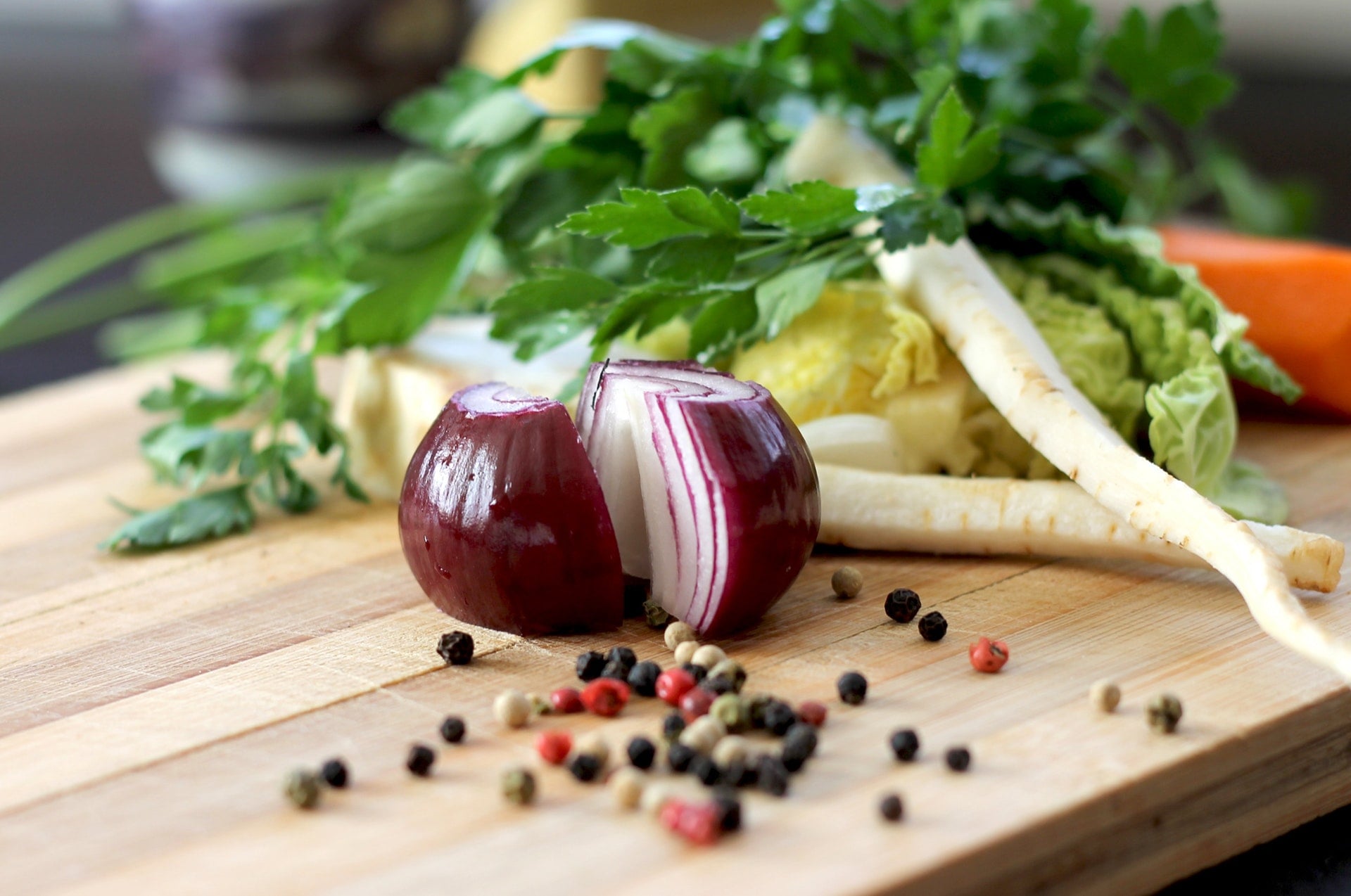
The renovation project of our old family home has gradually wound down. With the end of the messy, heavy construction and only clean finishing work remaining, the new kitchen cabinetry and appliances were “forced” into early service. Consequently, the food waste disposal problem that had troubled me for years resurfaced once again. Naturally, with a brand-new kitchen, I wanted to pick a truly practical food waste bin to keep meal prep streamlined and maintain a clean, hygienic environment.
A quick vent: our local borough chief has handed out municipal food waste buckets for years—a set of cheap-looking, rudimentary plastic buckets. Although equipped with a lid, ergonomic considerations were non-existent, making them awkward to pick up. The seal was terrible, yet the capacity was absurdly enormous—heaven knows how many days of rotting scraps they expected us to hoard. On top of that, it was impossible to cleanly secure a trash bag inside. The plastic looked permanently grime-stained and became an absolute magnet for dirt and grease—literally a garbage can that looks like garbage itself. If you tried discarding it with the garbage truck, elder family members would lecture you about thriftiness; throw it away too overtly, and someone would salvage it back. In practice, because it was so dreadful to use, it ended up sitting in a forgotten corner gathering dust and hogging space. Heaven only knows whether the government spends public money on such items out of sheer incompetence, corporate kickbacks, or a combination of both.
When it comes to food waste bins, after surveying dozens of products across the market, I categorize them into three main types: basic food waste bins, functional food waste bins, and food waste composting/fermentation bins. Below, I will break down key considerations when choosing among these three types, along with my recommended picks.
Basic Food Waste Bins
This category differs little from an ordinary trash can. It is essentially just a bucket—perhaps with subtle aesthetic variations—topped with a simple lid. The bucket gifted by the borough chief mentioned above falls into this tier. Frankly, I would rather repurpose it for mixing paint or stirring cement; at least the lid slows evaporation, which would count as making good use of it.
Another variation included here is the hanging plastic bin that mounts onto lower cabinet doors. When prepping ingredients, you can lift the entire cutting board and sweep scraps directly into it. However, while these over-the-door bins look convenient on paper, scraping scraps this way easily drips juices onto the floor and cabinet doors, inevitably trapping grime over time. Furthermore, you must clear it immediately after cooking; otherwise, fruit flies will promptly arrive to dance around your kitchen. In everyday use, it proves inconvenient. I can virtually guarantee it will be tossed aside before long—a pure waste of money.
Functional Food Waste Bins
These are the primary food waste bins I recommend today. Their baseline designs incorporate ventilated filtration vents, tightly sealing lids, and secure bag-clamping mechanisms.
Common products and brands currently on the market include:
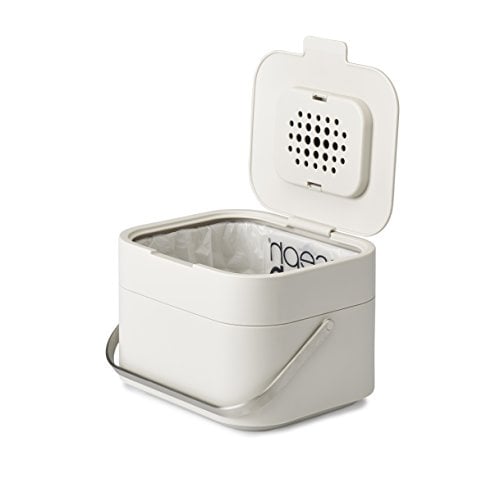
- Joseph Joseph Intelligent Waste Compost Bin (4L, UK): With a clean, sleek modern aesthetic, it looks right at home even perched on a kitchen countertop. Equipped with an odor-absorbing carbon filter and a smooth plastic body that will not scratch stone counters, its rim neatly locks trash bags in place. Every design detail blends seamlessly into modern kitchens. Furthermore, it integrates with other bins in Joseph Joseph’s Stack system, letting you unify all kitchen sorting into a cohesive station (Product Reference Link);
- ROICHEN Food Waste Bin (3L, South Korea): Though made of plastic, its build is exceptionally solid, featuring a three-tier design comprising an outer bin, inner strainer bucket, and top lid. Beyond a silicone gasket, the lid features four snap-locks to reinforce airtight sealing so odors never escape. The wet/dry separation isolates liquid runoff from solids for composting. The handle ergonomics are thoughtfully designed: the top lid handle lifts effortlessly, while the inner bucket features its own bail handle for quick emptying (Product Reference Link);
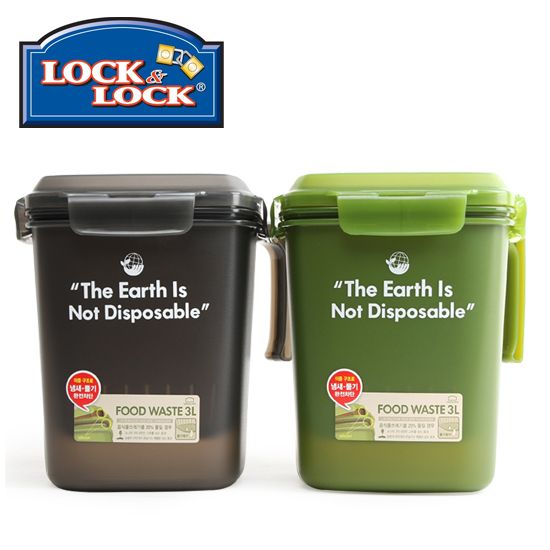
- LOCK & LOCK Food Waste Bin (3L / 4.8L, South Korea): Most people are familiar with Lock & Lock’s airtight food storage containers, but fewer know they also offer dedicated food waste bins. Also hailing from South Korea, its functional design is virtually identical to the ROICHEN model. However, Lock & Lock’s plastic texture and finish feel noticeably higher-end and more refined. The price difference between ROICHEN and Lock & Lock is only around NT$200, depending on whether you prioritize budget or aesthetics (Product Reference Link);
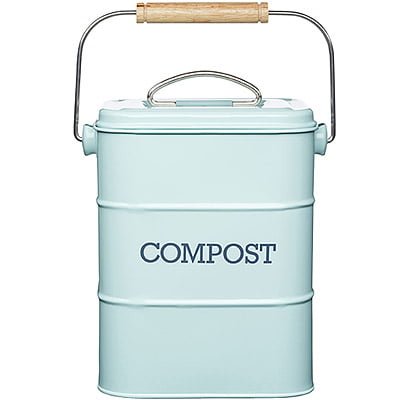
- KitchenCraft Vintage Living Compost Caddy (3L, UK): This is the most distinctive among the four. Its silhouette and color palette radiate vintage charm, crafted primarily from tin-plated steel. Although metal can scratch delicate countertop finishes, this indie-aesthetic caddy never fails to turn heads. The lid includes a silicone seal ring and houses activated carbon filters for odor control. Keep in mind that because it is metal, it must be kept dry; the oil-and-water-heavy splash zones of typical kitchens can be its greatest nemesis (Product Reference Link).
Among these four, I find that bag-clamping designs like Joseph Joseph best match Taiwan’s municipal garbage truck collection routines.
However, if you have a small backyard garden and can dig composting trenches, the wet-and-dry separation designs of ROICHEN and LOCK & LOCK are remarkably practical! Burying drained solid scraps directly into the soil allows nature to convert them into rich organic nutrients.
If you have an eye for design, prefer light cooking, and have countertops made of engineered quartz or melamine laminates, I definitely recommend KitchenCraft’s caddy. Paired with their wider vintage collection, it imparts a unified aesthetic to your kitchen.
Food Waste Composting & Fermentation Bins
This represents the advanced evolution of food waste bins, empowering you to brew homemade fertilizer right at home. I highly recommend them to weekend gardeners cultivating small vegetable patches!
Composting bins fall into two distinct varieties. The first is a purely mechanical plastic bin with built-in liquid draining grids. Making compost requires sorting suitable kitchen waste and layering specialized EM bokashi fermentation bran or microbial inoculants. The bins themselves are relatively affordable, though the process demands patience in prep, maintenance, and maturation. For instance, the “Vegetable Workshop Farm EM Compost Bin” (Reference Link) belongs to this class.
Be aware that organic composting takes significant time; natural fermentation typically requires one to two months per batch. In other words, after filling a bucket over a few days, you must let it sit aside for weeks to cure. Anyone genuinely committed to bokashi composting should buy several buckets from the start!
The second variety belongs to electric kitchen appliances. Powered by electricity, they dry, heat, chop, and agitate food waste automatically, turning food scraps into dry, sterile pre-compost with minimal hassle and in far less time than passive buckets. However, these machines represent the highest price point among all waste solutions, with top-tier units reaching upwards of NT$50,000. Among them, Japan’s Chikuma “Cleantasis Freestanding Kitchen Composter” is widely acclaimed (Reference Link), while Korean models sit around the NT$10,000+ range (such as SmartCARA’s Smart Cara composter (Reference Link)).
Investing in an electric food composter not only liberates you from standing in the freezing wind waiting for the municipal “Für Elise” garbage truck (something I personally detest), but also yields generous fertilizer to nourish home-grown crops—making it a worthwhile upgrade in the long run.
Support Independent Perspectives & In-Depth Insights
Every thoughtful analysis and candid critique comes from our dedication to truth and quality. We choose not to follow sensational algorithms or clickbait headlines.
Sustaining independent research requires reader support. Make a one-time or monthly contribution, securely processed by Google.
Payments secured by Google · Manage or cancel anytime in your Google Account



Comments