

At the intersection of contemporary photography enthusiasts and the digital art world stands a legendary French creator: Nicolas Bouvier (more widely celebrated in the digital art community under his moniker Sparth).
When he picks up a camera and steps into the physical world, he transforms into a pure photographer, creating freely with Leica rangefinders and compact everyday cameras. What he conveys through his lens is far beyond mere aesthetic beauty; within the contrast between human civilization and wild landscapes, he uncovers an inexplicable tranquility and harmony that touches the deepest chords of every viewer’s soul.
Even more astonishingly, in his professional career, he is one of the most influential top-tier art directors and concept art masters in today’s global video game and sci-fi entertainment industries.
1. A Photographic Philosophy Unshackled by Gear
Within photographic circles, people often fall victim to gear snobbery: obsessing over lens sharpness, high-ISO noise charts, or brand loyalty. However, examining Nicolas Bouvier’s personal photographic logs reveals a fascinating and thought-provoking insight:
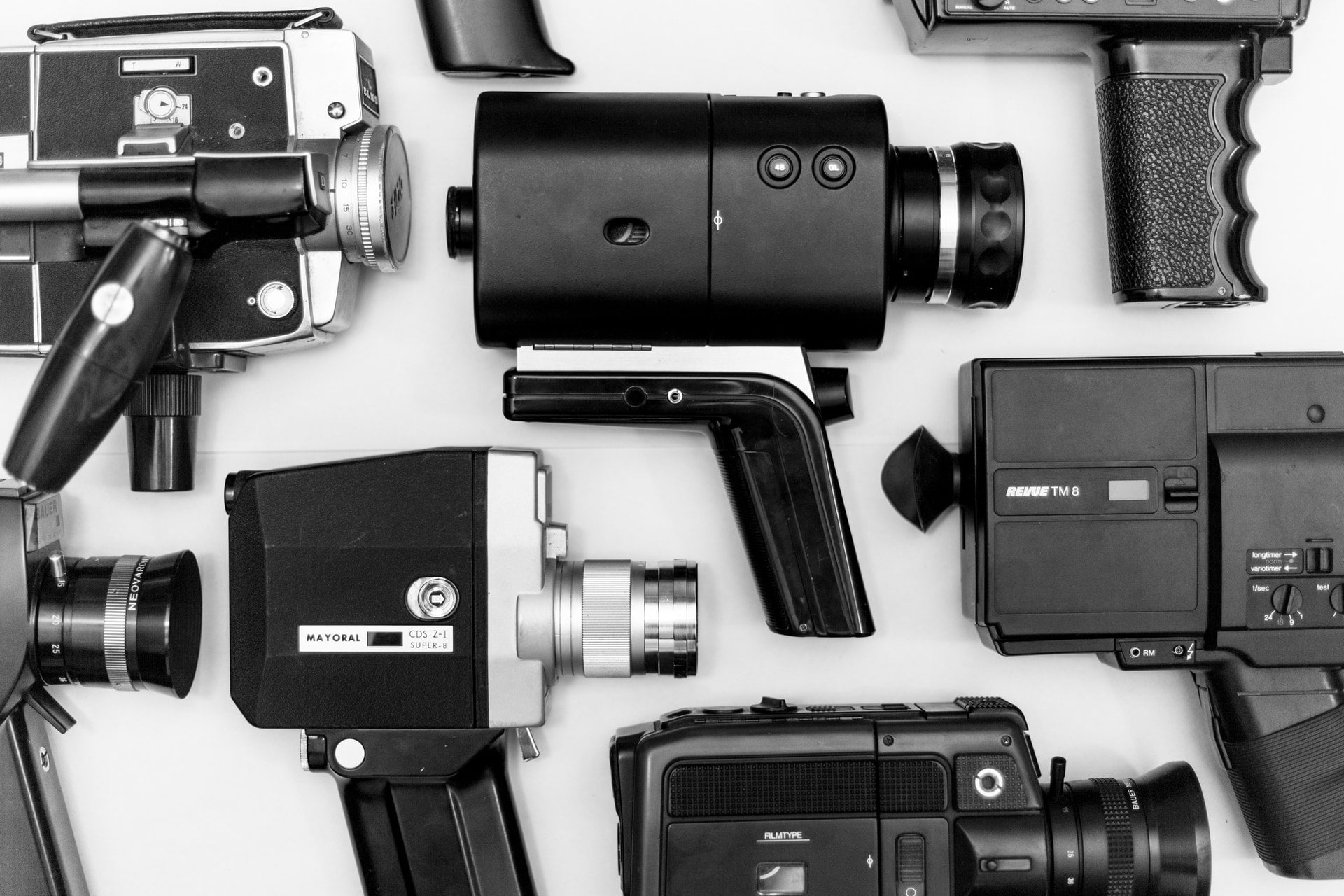
While he frequently carries classic Leica rangefinders for street and landscape photography, he also unhesitatingly relies on the retro full-frame DSLR Nikon Df, and even budget-friendly, ultra-compact mirrorless cameras from the Panasonic Lumix GF series as primary creative tools.
Gear is never a shackle that limits a creator; it is a paintbrush that extends one’s vision. When you possess a profound comprehension of geometric space, the flow of light and shadow, and emotional tension, even an entry-level mirrorless camera can capture scenes as epic as cinematic masterpieces.
Nicolas Bouvier’s body of work proves to the world: what determines a photograph’s soul and depth is always the brain behind the camera, never the coating on the front of the lens.
2. From Assassin’s Creed to Halo: Three Decades of Sci-Fi Worldbuilding
Born in France and currently residing in Seattle, Washington, Nicolas Bouvier has left an indelible mark on the global entertainment industry since entering the video game world in 1996:
| Period & Studio | Position & Projects | Iconic Works & Key Contributions |
|---|---|---|
| 1996–2002 (Darkworks, Paris) | Concept Artist | Established environmental and visual foundations for the classic survival horror title Alone in the Dark: The New Nightmare (2001). |
| 2003–2005 (Ubisoft, Montreal) | Senior Concept Designer | Contributed early concept development for Prince of Persia: Warrior Within (2004) and the groundbreaking masterpiece Assassin’s Creed (2007). |
| 2005–2008 (id Software, Dallas) | Concept Art Director | Collaborated with legendary engine architect John Carmack, spearheading the wasteland lore and vehicle designs for the post-apocalyptic sci-fi epic Rage (2011). |
| 2009–Present (343 Industries, Seattle) | Art Director | Joined Microsoft to lead visual direction on Halo 4 (2012) and was elevated to Art Director on Halo 5: Guardians (2015), redefining the visual architecture of Forerunner technology and extraterrestrial civilizations. |
Beyond the gaming industry, he published the highly acclaimed concept art monograph series Structura (published by DesignStudioPress), revered by designers worldwide, and has illustrated cover art for over a hundred major sci-fi and fantasy novels across Europe and North America.
3. The Symphony of Reality and Fantasy: Sparth’s Three Aesthetic Codes in Photography
When we place Nicolas Bouvier’s sci-fi concept art alongside his landscape photography, we discover to our amazement that both share the exact same "**spatial aesthetic DNA**":
1. An Overwhelming Sense of Scale
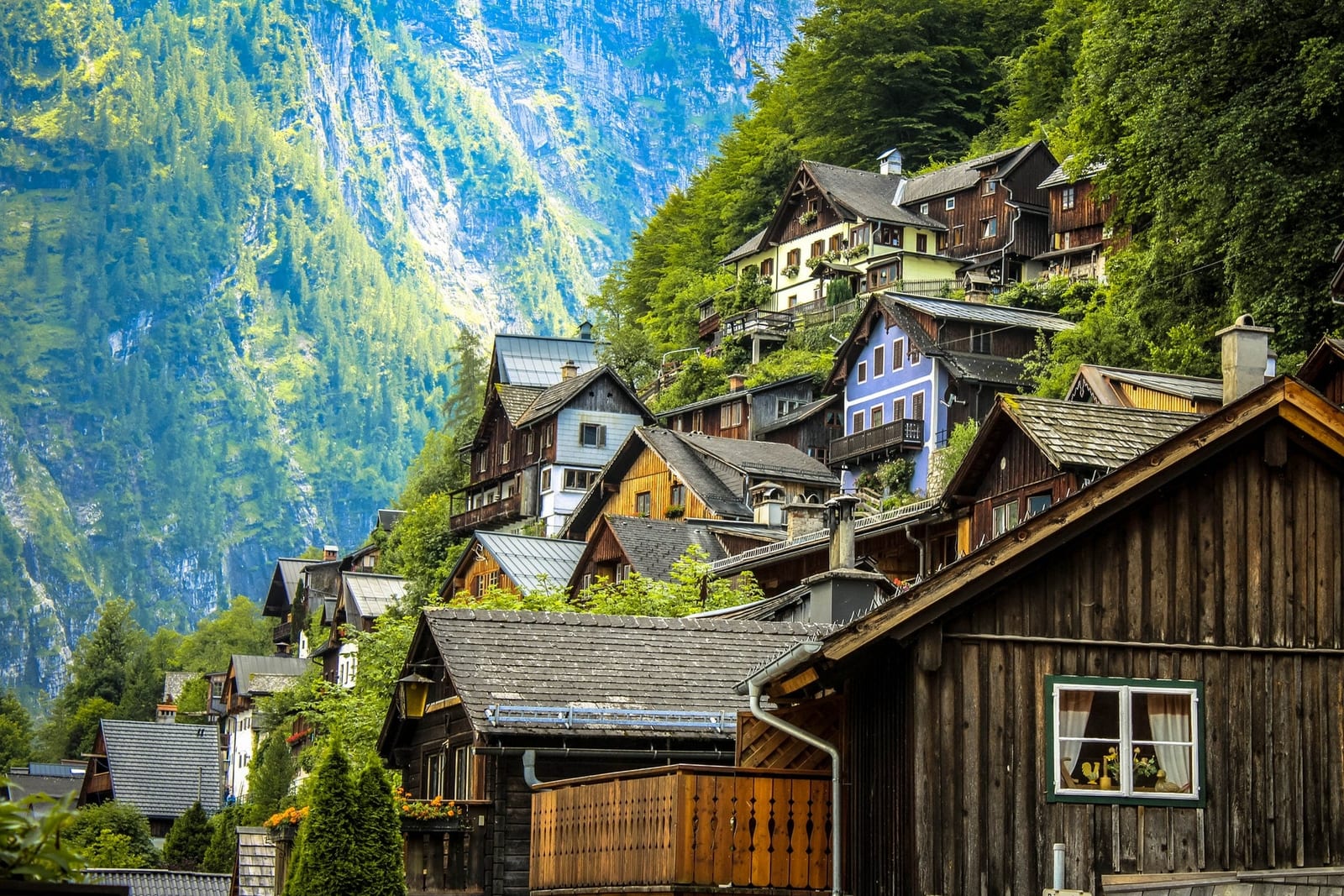
Whether painting interstellar fleets towering into the clouds or photographing a solitary traveler standing on the edge of a windswept cliff, Nicolas excels at creating striking volumetric contrast between “tiny man-made geometric objects” and “the boundless majesty of nature.” Far from evoking despair, this contrast radiates a philosophical poetry—humanity quietly contemplating the cosmos.
2. Minimalist Masses and Atmospheric Perspective
Honed by decades of thumbnail sketching in concept design, his photographic compositions are razor-sharp and clean. He skillfully leverages morning mist, sea spray, and backlit airborne dust to distill complex landscapes into three distinct tonal planes—foreground, midground, and background—completely eliminating extraneous visual clutter.
3. Warm Coexistence Within Cold Structures
Under his lens, even modern viaducts, wooden cabins, or brutalist concrete towers never appear jarring or invasive. By carefully selecting specific atmospheric conditions and soft lighting, he makes these human structures feel as if they grew naturally from the bedrock, merging seamlessly with mountain ranges, seas of clouds, and rugged coastlines.
Conclusion: Rediscovering Tranquility in a Noisy Era
In an era where everyone carries a smartphone and algorithmic social media feeds overflow with fast-food short videos and hyper-saturated filters, pausing to contemplate Nicolas Bouvier’s photography feels like stepping into a serene stone monastery on a sweltering summer afternoon.
He reminds us of what matters: the ultimate purpose of photography is not to boast about how extravagant a destination you visited or how expensive a lens you bought. It is about whether you can quiet your mind and, with clarity and reverence, use that small viewfinder to conduct a profound dialogue with this vast, breathtaking, and miraculous planet.
Further Reading & Recommended Links
- Nicolas Bouvier (Sparth) Official Flickr Portfolio: Explore high-resolution original street and landscape works captured by the master.
Support Independent Perspectives & In-Depth Insights
Every thoughtful analysis and candid critique comes from our dedication to truth and quality. We choose not to follow sensational algorithms or clickbait headlines.
Sustaining independent research requires reader support. Make a one-time or monthly contribution, securely processed by Google.
Payments secured by Google · Manage or cancel anytime in your Google Account


Comments