
On an early summer afternoon, I stepped into Youhe Bookshop by the banks of the Tamsui River. Beside handwritten poetry etched onto the glass panes and the shimmering river view, my eyes were drawn to a quiet book cover on the shelf: To a Mountain in Tibet, written by the British travel writing master Colin Thubron.
Opening to the frontispiece, the author’s nearly transparent, composed prose offers a breathless confession of an opening:
“Sometimes a journey arises from other journeys; but it had begun, I know, when the last of my family died. I knew that I was unsuited to mourning, that I had never forgiven myself for outliving them, and could raise nobody. I must just accept what was so. And so I began an unholy pilgrimage… to rest in the mountain that people worship.”
This is not a conventional exotic expedition, nor is it a tourist travelogue seeking novelty. It is a soul’s trek undertaken by a man in his seventies, burdened with the heavy weight of memory, heading into a desolate, freezing world after losing every blood relative in his life.
The Guilt of Surviving: When a Sherpa Guide Inquires, “Why Do You Travel Alone?”
Roaming solo across the Middle East, Russia, and Central Asian deserts had long been second nature to Colin Thubron. Yet this time, when a Sherpa guide in northern Nepal posed this fundamental question beside the campfire, he found himself utterly speechless.
He could not, and did not know how to, bare the truth to the cheerful guide before him:
- His sister had died abruptly in an accident at the age of 21;
- His father had passed away before his mother;
- And his beloved mother had just departed this world in the manner she feared most, tormented by lingering illness.
With that, he had no immediate family left anywhere on Earth.
Confronted with an empty family home and overwhelming solitude, “surviving alone” transformed into an indescribable guilt and burden. At the age of seventy-one, he chose to trek on foot through the remote, rugged Humla Valley of northern Nepal, crossing windswept Himalayan mountain passes at five thousand meters above sea level to penetrate the oldest, most barren heartland of Tibet—the sacred peak “Mount Kailash.”
The Axis of the Universe: A Sacred Peak No One Dares Summit
Rising dramatically from the arid desert of the Ngari Plateau in western Tibet, Mount Kailash reaches an elevation of 6,638 meters. In a Himalayan range surrounded by fourteen eight-thousanders, it does not rank among the highest peaks, yet its spiritual stature is unmatched:
- Sacred Sanctuary to Four Faiths: It is revered simultaneously by Hinduism, Tibetan Buddhism, native Tibetan Bön, and Jainism as “Mount Meru,” the axis of the cosmos and the dwelling place of gods.
- A Sacred Taboo: Unlike Mount Everest or K2, which mountaineers worldwide strive to conquer, Mount Kailash remains “unclimbed” to this day. The world acknowledges that this snow-draped, pyramid-like cone belongs purely to the realm of faith. Setting foot on its summit is regarded as sacrilege. Travelers come here for only one ritual: the “Kora” (circumambulation).
During his journey, an abbot of a Tibetan Buddhist monastery told Thubron:
“It is a mountain of great energy. Doing kora there clears endless karma and brings merit. The Buddha once flew above it with his followers, and countless seekers have meditated in its caves. The caves are filled with blessings.”
For Tibetan and Indian pilgrims, completing a circuit around the sacred peak cleanses the sins of a lifetime. But for Thubron, this circumambulation had nothing to do with merit for future rebirths; he was merely seeking to leave a mark for his departed family and find a place of respite to soothe a grieving soul.
The Tibetan Perspective on Mortality: An Early, Painless Death
Crossing from the rugged trails of Nepal onto the Tibetan plateau, the air grew increasingly thin and freezing, each step accompanied by the choking weight of oxygen deprivation. Yet the Tibetan pilgrims he encountered along the way delivered a profound awakening to an author ensnared by modern civilization and sorrow.
Clad in tattered garments and weathered by harsh elements, they prostrated themselves fully upon the ground in whole-body bows with every three steps. Yet behind their sheer material poverty, Thubron witnessed an immaculate serenity and poise:
“Perhaps they have already undergone a premature, painless death, having surrendered long ago what others release only at the very end.”
In modern Western civilization, death is viewed as the absolute termination of life, a cruel plunderer guarded against and avoided with medical technologies. On the Tibetan plateau, however, death is merely the shedding of worn garments as the soul embarks upon another cycle of reincarnation.
When the author witnessed a traditional Tibetan “Sky Burial”—where the body breaker dismembers the corpse, summoning vultures circling the sky to consume flesh and bone, while the remaining skeleton is crushed with stones to blend into the earth—a scene horrifying to Western eyes revealed an incomparable act of profound compassion. The physical body, as a temporary loan of matter, is ultimately returned as an offering to nature, devoid of clingings.
The Keeper of Memory: Standing Tall Amid Collapse
As his trekking steps slowed across the 5,000-meter Drölma La pass, the harsh trials of the plateau gradually stripped away worldly distractions. Vivid memories surged like an incoming tide: his father’s gaze, his late sister’s smile, his mother’s final breath.
“While you cast off heavy burdens, grief also leaves you as helpless as an infant.”
In that moment, the author suddenly grasped the purpose of his surviving: when all blood relatives are gone, he was no longer merely a survivor drowning in mourning, but had become “the keeper of their past, even their re-creator.”
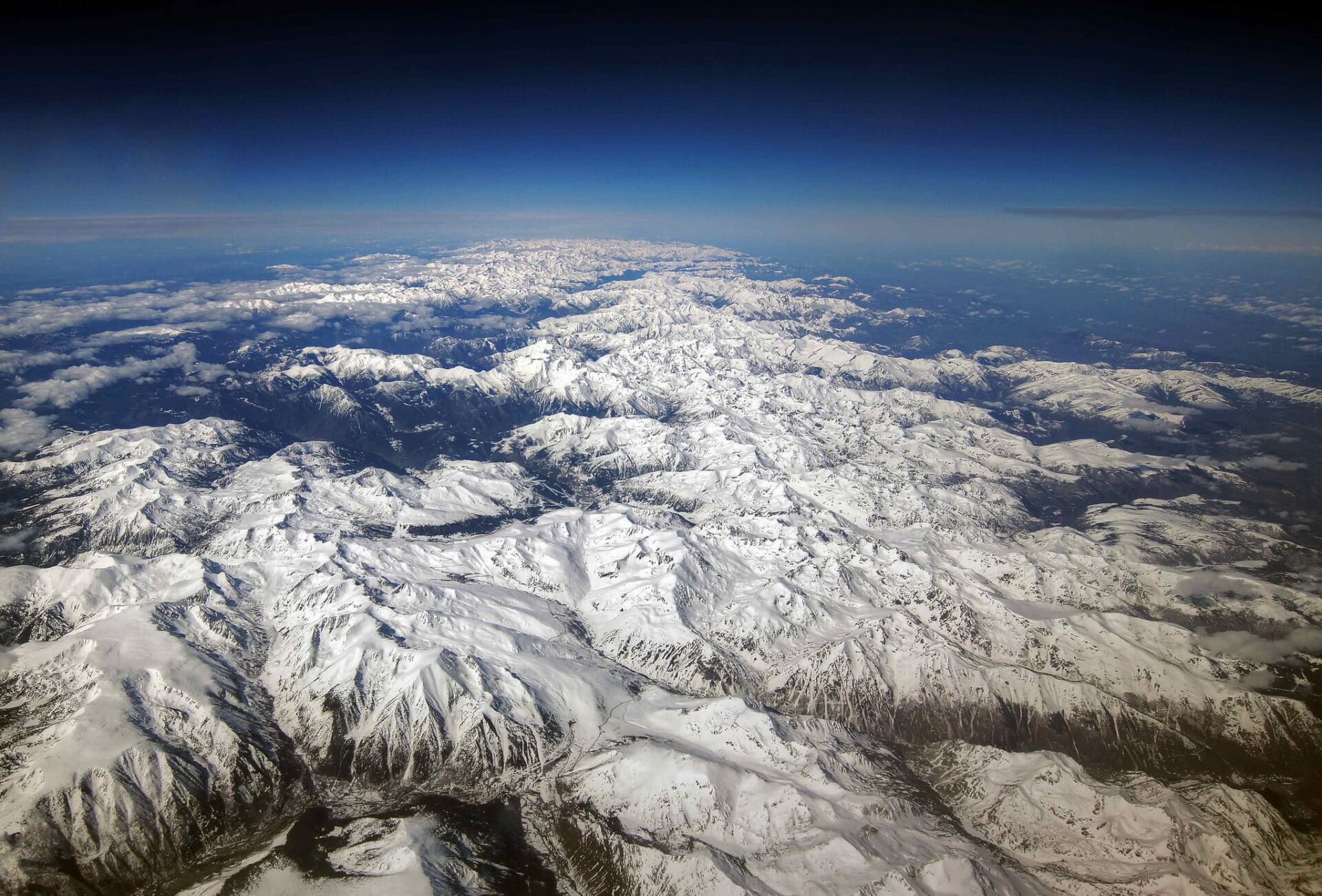
As long as his breath continued, the footprints of his family’s lives would endure through his memory, his eyes, and his words atop the world. Mount Kailash stood in silent majesty beneath a sky so intensely blue it approached black. It offered no supernatural revelations, but the mountain’s eternal stillness was, in itself, the most profound consolation.
About the Author and the Book
- Author: Colin Thubron (1939–)
- One of Britain’s most eminent contemporary travel writers, formerly President of the Royal Society of Literature.
- Winner of the Thomas Cook Travel Book Award and the Hawthornden Prize; named by The Times as one of the 50 greatest post-war British writers.
- Author of landmark classics including Shadow of the Silk Road, In Siberia, and The Lost Heart of Asia.
- Translator (Chinese Edition): Lou Mei-lien (Department of Chinese, National Taiwan Normal University; professional translator).
In the quiet afternoon at Youhe Bookshop, a gentle breeze rustled the potted plants by the window. If you have ever felt the sharp pang of parting and yearned for a sanctuary to comfort your soul, To a Mountain in Tibet is a profound companion through dark valleys. As the book reveals: trekking across frozen wilderness and snow was never about reaching a distant horizon, but about learning how to make gentle peace with memory amid broken ruins.
Support Independent Perspectives & In-Depth Insights
Every thoughtful analysis and candid critique comes from our dedication to truth and quality. We choose not to follow sensational algorithms or clickbait headlines.
Sustaining independent research requires reader support. Make a one-time or monthly contribution, securely processed by Google.
Payments secured by Google · Manage or cancel anytime in your Google Account




Comments